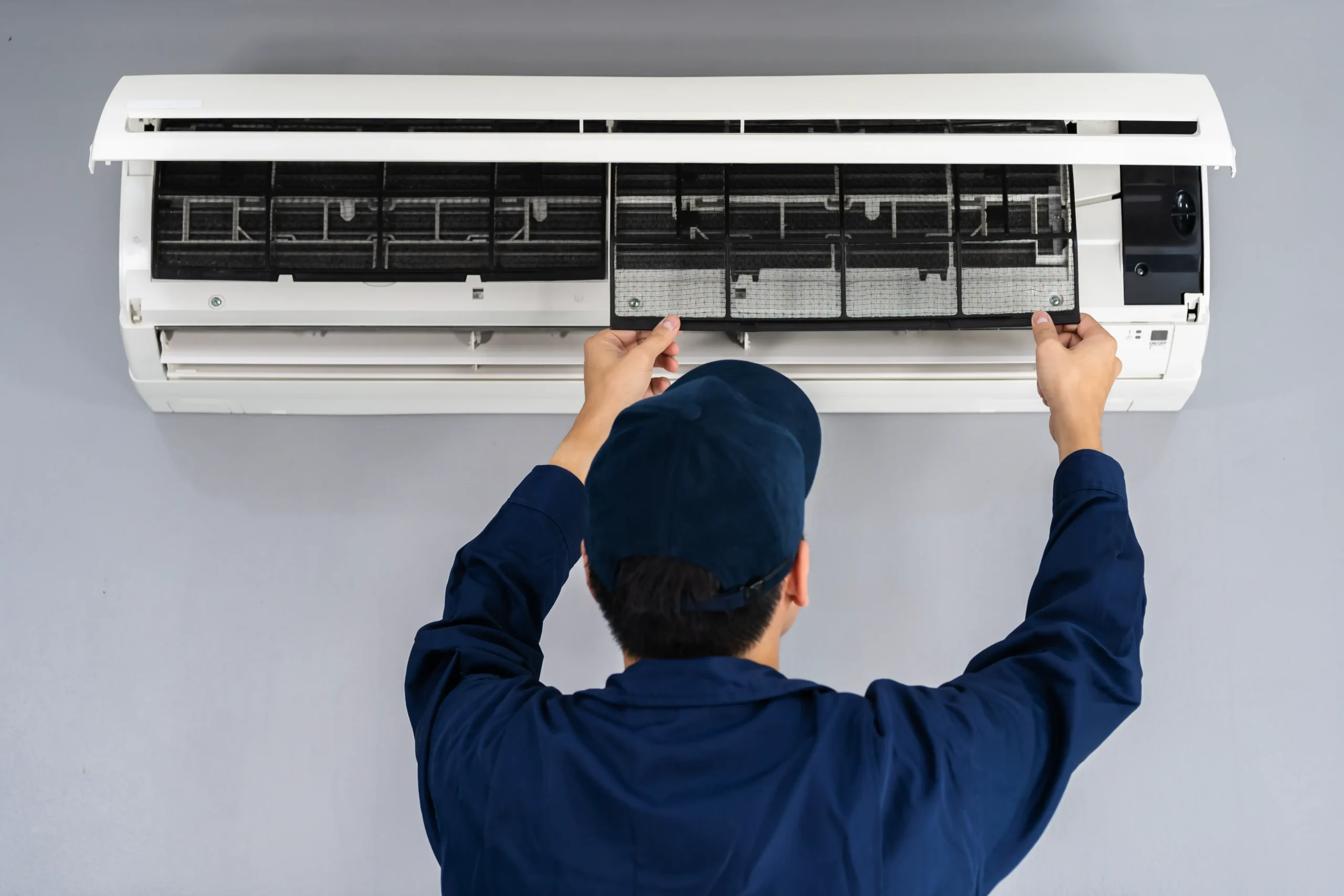

A tap that drips. A gutter that overflows every time it rains properly. A patch of paint lifting on the back wall.
None of it feels urgent. That’s exactly the problem — small jobs rarely get worse loudly. They get worse quietly, and by the time they’re impossible to ignore, they’ve stopped being small jobs.
Here are ten we get called out to most often, and what each one tends to cost you now compared with later.
1. A dripping tap or a running toilet
Replacing a worn washer or a faulty flush valve is one of the cheapest jobs there is. Left alone, a running toilet quietly wastes a lot of water, and if you’re on a meter you’ll notice it on the bill long before you notice it anywhere else.
Constant moisture also softens everything around it, so a five-minute fix turns into a new cistern or a tired-looking bathroom floor.
2. Blocked or overflowing gutters
Clearing gutters is a straightforward visit. Water running down a wall for a couple of winters is not.
Once the wall stays wet, damp works inside, plaster starts to blow and the timbers near the eaves begin to suffer. Clearing gutters costs a fraction of repointing brickwork or replacing rotten fascias.
3. Failed sealant round baths and showers
That thin dark line along the edge of the bath is water getting past the seal. Re-sealing is quick and cheap.
Ignore it and the water goes under the bath, into the floor, and eventually through the ceiling below. Replacing a ceiling — and whatever the water found on the way — is a different sort of job altogether.
4. Loose or slipped roof tiles
One slipped tile is a short visit for someone set up to work at height. It’s also the easiest way for water to get into a roof space without anyone noticing.
By the time a stain appears on a bedroom ceiling, the water has usually been up there a while — and you’re dealing with insulation, plasterboard and possibly timber as well as the tile.
5. A boiler that’s never serviced
An annual service is a modest, predictable cost. A boiler that gives up in January is neither — and replacements usually cost more when you need one that week.
Servicing catches the small faults early, which is often the difference between a part and a whole new unit. If you let the property, note that a service and the annual Gas Safety Certificate are two different things — the certificate is a legal requirement and must be done by a Gas Safe registered engineer. Sensible to book both at once. Rules change, so check the current position if you’re unsure.
6. Small damp patches
A damp patch is a symptom, not the problem. Tracking down the cause early — a leaking pipe, a failed seal, a gutter, poor ventilation — is usually a contained job.
Left to spread, damp takes plaster, decoration, skirtings and flooring with it, and starts to affect the air in the room. It’s also much harder to treat once it’s had a few seasons to settle in.
7. Cracked or lifting external paintwork
Paint on the outside of a building isn’t decoration, it’s a coat. Once it cracks or lifts, water gets behind it and stays there.
Preparing and recoating while the surface underneath is still sound is ordinary maintenance. Waiting until render has blown or timber has rotted means paying for repairs before you can even start painting.
8. Blocked drains
Slow draining, gurgling, an unpleasant smell near a gully — these are all early warnings, and a drain clear is a routine job.
Leave it and you risk a full blockage, waste water backing up into the property, and in the worst cases damage to the drain run itself — which means digging.
9. Dodgy sockets or a consumer unit that keeps tripping
A socket that’s warm, scorched or loose, or a circuit that trips again and again, is telling you something. Getting an electrician to trace and fix the fault is a normal call-out.
This is the one on the list we’d never suggest putting off, because the risk isn’t only financial. And if you let the property, you’ll need an up-to-date electrical safety report anyway — far better to sort it while it’s still a small job.
10. Vegetation growing against the walls
Ivy, shrubs and self-seeded saplings against a wall look established rather than risky. But they trap moisture against the brickwork, push into open joints, and block gutters and airbricks.
Cutting back is a gardening job. Repointing, or dealing with roots near foundations, is not.
The pattern behind all ten
Read the list back and the same two things keep appearing: water going where it shouldn’t, and something small that has quietly stopped working properly.
A few habits catch most of it:
- Walk round the outside twice a year — once after the leaves have dropped, once in spring
- Get outside in the wet once a year — overflowing gutters only show themselves mid-downpour
- Glance at ceilings and into the loft now and then for stains
- Book the boiler service before the cold arrives, not during it
- Deal with anything electrical straight away
None of this needs to become a big project. Most of these jobs take an hour or two, done at a sensible time of year, and then they’re off your mind.
If something here sounds familiar
You don’t need to diagnose it first — that’s our job. upload a photo through our Get a quote page and we’ll come back with a quick quote and an honest idea of what the job involves, no pressure either way.